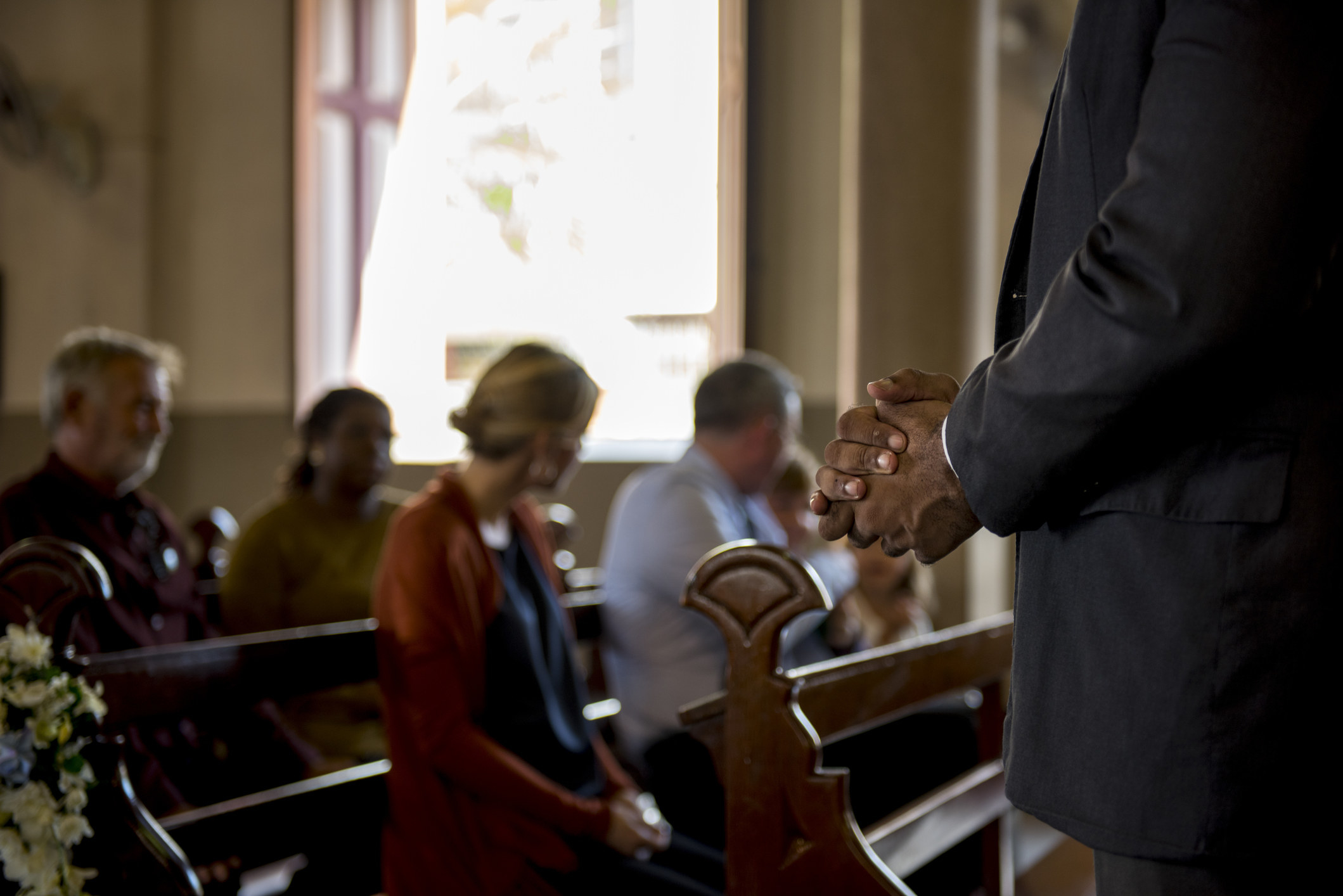
When we talk about supporting survivors in the church, we tread on sacred ground, because these are not statistics or stories from afar; they’re people sitting quietly in our pews. Many came seeking refuge and instead found new wounds. They trusted leaders, only to be silenced. They opened up, only to be told to “forgive and move on.”
This is the ache that breaks heaven’s heart. The Church, called to be a hospital for the broken, sometimes behaves like a courtroom that cross-examines the victim. And yet, Christ has not abandoned His bride; He is calling her to repentance, courage, and truth.
If the Church is to reflect Jesus truly, she must learn to listen, to lament, and to stand for justice. Supporting survivors in the church is not a trend or an optional ministry; it’s a moral and spiritual responsibility. Because the wounded matter to God, and how we treat them reveals how deeply we understand the gospel itself.
Understanding the Weight of a Wounded Soul
Before healing can begin, we have to face what wounds really do. Abuse whether physical, emotional, or spiritual doesn’t just bruise the heart; it fractures trust. It makes faith feel unsafe. Survivors often wrestle with questions that echo through the soul: “Where was God when this happened? Why did people of faith protect the abuser instead of me?”
When those questions meet silence, pain hardens into despair. That’s why supporting survivors in the church requires more than kind words; it demands presence, patience, and humility.
The Bible says the Lord is close to the brokenhearted. He doesn’t rush their healing or shame their questions. Neither should we. When the Church becomes that kind of presence quiet, consistent, compassionate people start to believe again that God has not forgotten them.
Our job is not to fix but to accompany, to hold space where hearts can breathe. Healing begins the moment someone feels heard without being hurried.
When Silence Hurts: Finding Your Voice After Years of Emotional Abuse
How the Church Unintentionally Deepens Pain
Sometimes, the greatest wounds aren’t caused by open cruelty but by careless good intentions. Churches often want things to “go back to normal” quickly, so they encourage premature forgiveness or quiet settlements. They fear scandal more than sin. In the process, the message to survivors becomes: Your pain is inconvenient.
This is how the Church ends up deepening trauma instead of healing it. We quote Scriptures out of context “Love covers a multitude of sins” forgetting that love also tells the truth. We call silence “grace,” when really it’s self-protection.
If we are serious about supporting survivors in the church, we must confess where we’ve fallen short. That begins with honest repentance: for believing abusers over the abused, for valuing image over integrity, for confusing unity with avoidance.
Justice and mercy are not opposites; they’re partners. True mercy never hides wrongdoing. It exposes sin so redemption can actually take place. The Church must become brave enough to confront sin, even when it sits in leadership seats.
Jesus’ Model of Compassionate Ministry
Everywhere Jesus went, He restored dignity before He restored reputation. He spoke to the woman at the well when others crossed the street. He defended the woman caught in adultery without denying her truth. He healed the bleeding woman who had been ostracized for twelve years, calling her “daughter” instead of “unclean.”
This is the pattern for supporting survivors in the church. We see them, speak to them, defend them, and restore them. Jesus never excused sin, but He also never shamed the wounded. His ministry was built on the intersection of compassion and accountability.
When we imitate Christ, we create an atmosphere where victims are believed and abusers are confronted. That’s what it means to minister like Jesus, to refuse to weaponize grace and to remember that every soul deserves safety.
If the Church can embody that balance, healing will no longer be accidental; it will be expected.
Creating a Safe Church Environment
A truly safe church is not one without conflict; it’s one where truth can breathe. Survivors of abuse often test the air before they speak, sensing whether honesty will be welcomed or punished. They notice how leaders talk about sin, how communities respond to failure.
Creating safety starts long before a crisis. It’s in the tone of sermons, the transparency of leaders, and the systems that protect the vulnerable. Churches committed to supporting survivors in the church build policies that prioritize people over reputation.
Here’s what safety looks like in practice:
-
Clear reporting structures for misconduct that do not loop back to the abuser’s allies.
-
Trained pastoral care teams who understand trauma responses.
-
Confidential counseling referrals to qualified professionals.
-
Preaching that names injustice instead of skirting around it.
A safe church listens without shock, believes without bias, and acts without delay. The goal isn’t perfection; it’s protection. Survivors need to know that if they speak, they won’t be silenced again.
The Role of Pastoral Care and Accountability
Pastoral care is not just about comfort, it’s about courage. Shepherds guard the flock, even when that means confronting wolves. In the context of supporting survivors in the church, this means standing between the wounded and those who harmed them, ensuring justice is done with compassion but without compromise.
Accountability is not unspiritual. It’s biblical. Nathan held David accountable, Paul confronted Peter, and Jesus rebuked religious hypocrisy. Accountability restores credibility; it proves love is real.
Church leaders must be transparent, not defensive. They must prioritize the victim’s well-being over institutional image. Where necessary, they must involve authorities because protecting life is higher obedience than protecting reputation.
When pastoral care walks hand in hand with accountability, survivors see that God’s justice is not against them, it’s for them. That’s when trust, slowly and tenderly, begins to return.
Healing Through Community and Transparency
The journey of healing doesn’t end when a survivor tells their story; it continues in the way the community responds. True restoration happens when a church chooses transparency over appearance. When confession replaces concealment, and empathy replaces defensiveness, light begins to heal what darkness once owned.
Supporting survivors in the church means giving people permission to speak without fear of exile. It means choosing truth even when it costs comfort. A transparent community doesn’t rush the process or edit the pain. It allows grief, questions, and anger to exist in the same sanctuary where hope is preached.
Churches that heal well often do one thing consistently, they listen. They make room for lament. They train their ears to recognize the cry behind the words. Healing isn’t found in quick prayers alone; it’s in shared presence. Sometimes the most Christlike thing a church can say is simply, “We believe you.”
Transparency also means leadership taking responsibility where failure occurred. It means publicly acknowledging when the church has mishandled pain. That level of humility, though uncomfortable, rebuilds trust faster than any polished statement could.
When survivors see the body of Christ model repentance instead of image management, they begin to believe that this faith truly has space for them again.
Restoring Trust in the Church
Trust, once broken, returns slowly. The Church cannot demand it; it must earn it. And the path toward earning it is paved with consistency, humility, and integrity.
Supporting survivors in the church requires patient rebuilding. Every sermon that honors truth, every leader who listens before defending, every policy that protects the vulnerable all of it becomes a brick in that wall of trust.
Restoring trust also means learning to hold tension well, the tension between grace and justice, mercy and consequence. Too often, the Church has leaned one way or the other, either minimizing sin in the name of mercy or punishing without restoration. The gospel calls us to hold both.
When Paul wrote to the Corinthians about the man disciplined for sin, he urged them to reaffirm their love after repentance. That’s how trust grows: not through denial, but through honest love that doesn’t pretend but persists.
A church that admits its failures becomes a church that people can trust again. The wounded begin to hope again when they see leadership practicing what it preaches not just from the pulpit, but behind closed doors.
Trust is restored through transparency, not performance. And once it returns, the church becomes a place where healing is not the exception, it’s the expectation.
The Church as a Place of Redemption, Not Re-traumatization
The Church should be the safest place for the broken, but for too many, it has been a reminder of their trauma. That must change. Redemption cannot flourish in denial. For supporting survivors in the church to be real, the culture must shift from protection of image to pursuit of truth.
A redemptive church doesn’t erase the past, it redeems it. It takes responsibility for the harm done under its roof and actively works to prevent it from happening again. It listens to survivors’ stories not as liabilities but as testimonies that call the body toward holiness.
Jesus didn’t build His ministry on perfection; He built it on compassion. The early church was messy, yet its power came from its honesty. People brought their brokenness, their sins, their doubts and found mercy. That same spirit must return.
A redemptive church does not silence pain; it sings through it. It recognizes that the gospel’s power is revealed most clearly when wounds are acknowledged and grace is allowed to do its slow, deep work.
When survivors see a church that listens, repents, protects, and restores, they begin to believe again that faith is not a trap, it’s a refuge.
Becoming the Hands That Heal
The call to supporting survivors in the church is not reserved for pastors alone. Every believer has a role to play. Healing the wounded is not a department; it’s discipleship. Every handshake, every prayer, every moment of kindness becomes part of God’s restoration process.
If you want to be a healing presence, start small. Be trustworthy. Listen without curiosity. Pray without pressure. Stand with the broken even when it’s inconvenient. When the Church becomes a network of such hearts, it mirrors the hands of Christ, scarred, yet willing to touch the untouchable.
To become the hands that heal, we must first remember how Christ healed us. None of us were made whole by denial or speed. We were healed by love that stayed, truth that confronted, and grace that held us steady until we could stand again.
That is the blueprint.
Every congregation that chooses truth over image, compassion over convenience, and repentance over reputation steps closer to the Church Jesus envisioned. A Church where the wounded are not a problem to fix but people to cherish. A Church that loves with integrity, protects with strength, and restores with wisdom.
Conclusion: A Church That Looks Like Jesus
The Church is at her most Christlike when she walks beside the wounded, not ahead of them. Supporting survivors in the church is not about public relations, it’s about reflection. It’s about showing the world what Jesus looks like when His people take responsibility for their failures and extend mercy to those they’ve hurt.
We can’t undo every wound, but we can make sure no one walks through healing alone. We can build communities where confession is safe, truth is honored, and justice is seen as holy work. When the Church does this, she becomes what she was meant to be: the body that bears the marks of love and offers them as proof that resurrection is possible.
The time for silence has passed. The time for accountability has come. Let the Church rise again not on platforms, but on repentance. Because only then will the world look at her and see the reflection of Christ, whose love heals the deepest wounds and whose truth sets captives free.
And may every believer, every pastor, every leader keep supporting survivors in the church until justice and mercy walk hand in hand and the wounded finally find home.